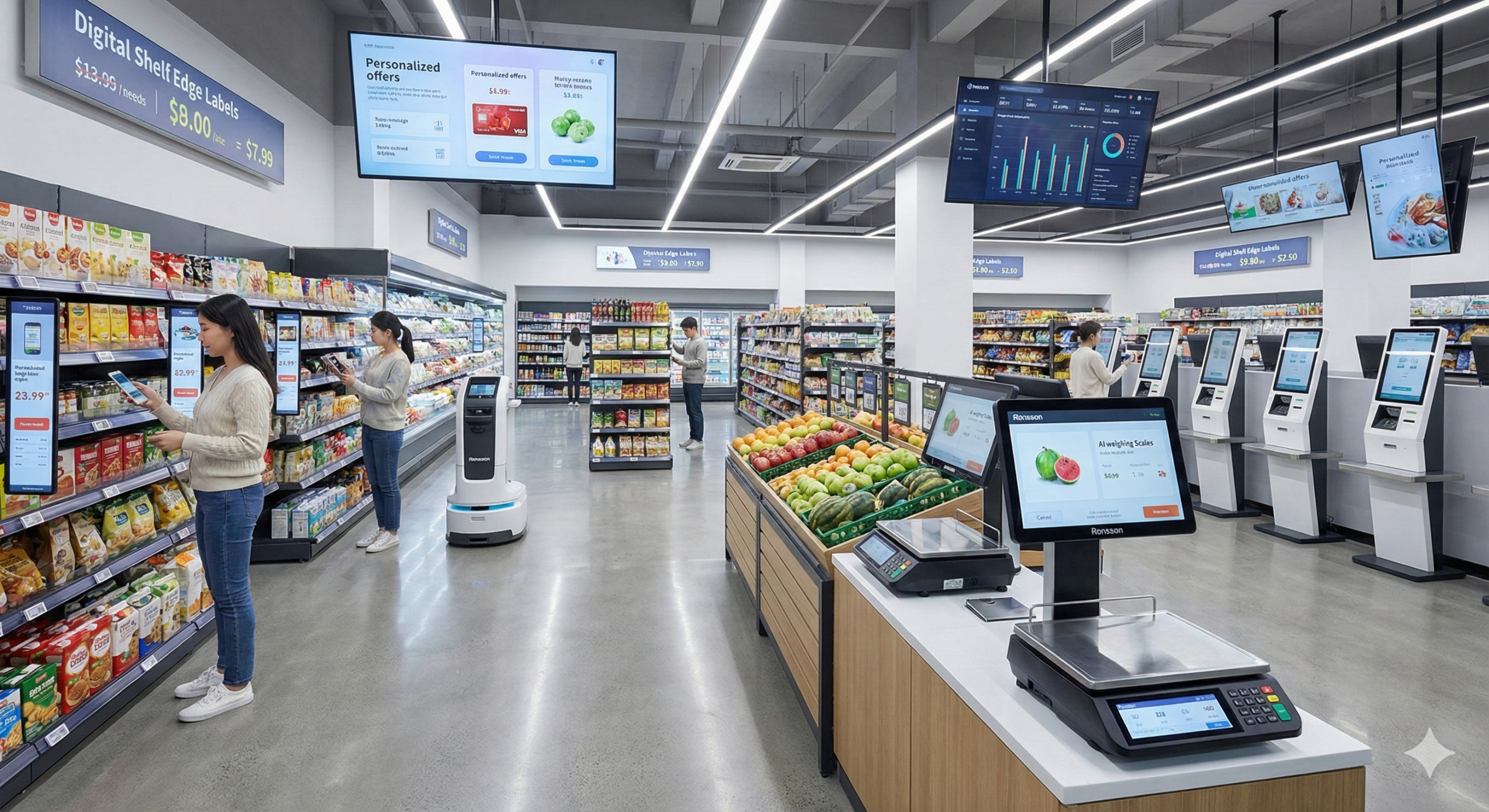
In Malaysia’s fast changing retail landscape, supermarkets and hypermarkets are facing rising operating costs, labour shortages, and increasingly price-sensitive shoppers. While e-commerce platforms have been using dynamic pricing and algorithm-driven price optimization for years, many physical retailers are only beginning to recognise its power and the competitive advantage it brings.
Today, dynamic pricing is no longer reserved for online platforms. With the right digital tools, supermarkets can achieve real-time pricing strategies, improve margins, and enhance their customers’ shopping experience.
This article explores how price optimization works, how it compares with e-commerce, and why implementing dynamic pricing in supermarkets requires modern technology such as Hanshow Electronic Shelf Labels (ESL).
What Is Price Optimization & Dynamic Pricing?
Price optimization is a strategy that uses data, such as demand, seasonality, inventory, and competitor movements to determine the best price at any given time.
Dynamic pricing takes it further by changing prices automatically and immediately based on predefined rules or real-time information.
Examples in supermarkets:
- Fresh food discounts near closing time to reduce waste
- Weekend promotions based on shopper flow
- Adjusting prices based on competitor promotions
- Instant price updates for overstock or slow-moving items
This concept has been present in e-commerce for more than a decade, but supermarkets are only beginning to adopt it—mainly due to the difficulty of updating paper price tags manually.
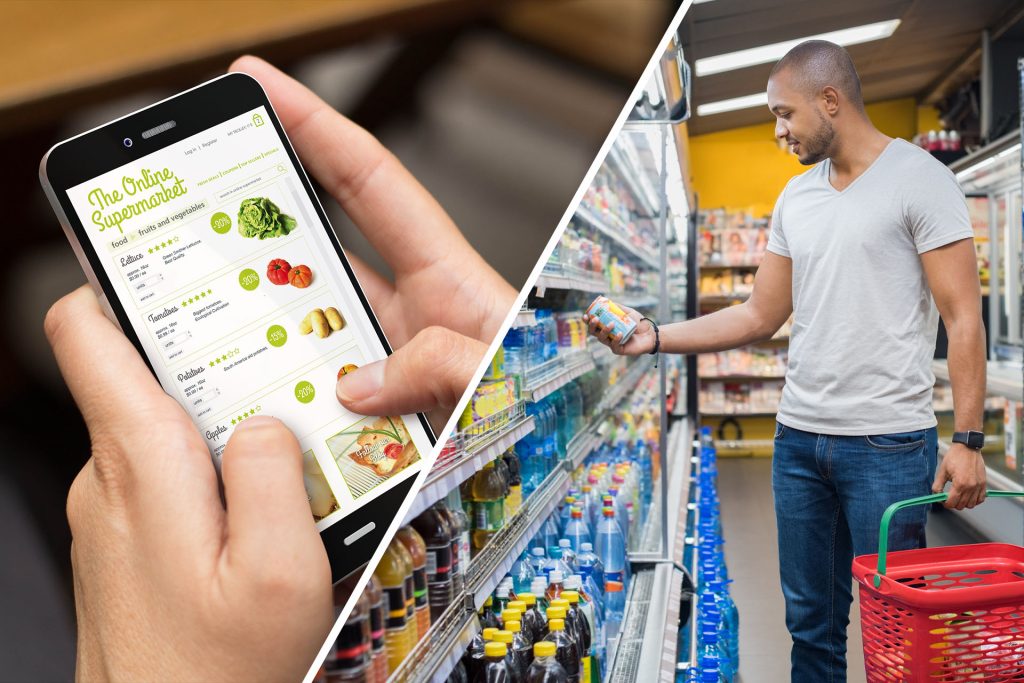
Dynamic Pricing: Supermarket vs. E-Commerce
1. E-Commerce
E-commerce platforms such as Shopee, Lazada, Amazon, and online grocery apps can update prices:
- Every minute
- Across thousands of SKUs
- Across multiple regions
- With zero manpower needed
This flexibility gives e-commerce a significant advantage.
2. Traditional Supermarkets
or brick-and-mortar stores, price changes involve:
- Reprinting paper tags
- Manual replacement
- Multiple checks from staff
- A high chance of human error
- Slow speed, often taking hours or days
This delay makes it nearly impossible to implement true dynamic pricing.
How Dynamic Pricing Increases Revenue & Reduces Cost
Supermarkets that implement dynamic pricing with ESLs consistently report:
✔ Higher Revenue
- Increase SKU profitability with optimized price points
- Sell more fresh products with time-based markdowns
- Improve promotion effectiveness
- Boost margin for high-demand items
✔ Lower Operational Cost
- Reduce manpower spent changing labels
- Eliminate printing cost for paper labels
- Reduce waste in fresh sections
- Fewer pricing disputes and refunds
✔ Better Customer Experience
- Accurate, consistent pricing for every shopper
- More transparent promotions
- Faster adaptation to market needs
Dynamic pricing turns supermarkets into more agile, competitive, and profitable businesses, similar to e-commerce.
Why Dynamic Pricing Is Hard Without Hanshow ESL
To execute dynamic pricing, supermarkets must update prices immediately and accurately across hundreds or thousands of SKUs. Doing this with paper labels is nearly impossible.
Hanshow ESL solves this challenge by enabling:
- Instant price updates
- 100% price-label consistency
- Chain-wide control across all outlets
- Promotion changes within seconds
- Zero manual tag replacement
Without electronic shelf labels, dynamic pricing remains slow, inaccurate, and manpower-heavy. With Hanshow, it becomes automated and scalable.
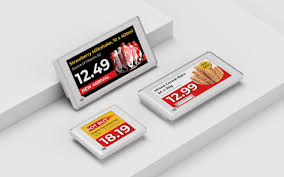
Hanshow ESL: Competitive Advantages & Market Position
Hanshow is one of the world’s leading Electronic Shelf Label providers, serving tens of thousands of stores globally. In Malaysia, Hanshow has built a strong reputation for reliability, system stability, and innovation.
Hanshow Competitive Advantages
1. Industry-Leading Display Quality
- Clear, high-contrast E-Ink
- Multi-colour options including the newest Polaris Pro 4-colour ESL
- Ideal for promotions and fresh sections
2. Strong & Stable System
- Proven wireless performance
- Fast synchronization
- Avoids pricing errors and mismatched labels
Price is extremely sensitive in supermarkets. A wrong price on the shelf can lead to:
- Customer complaints
- Loss of trust
- Fines or audits
- Revenue loss
Hanshow’s stable infrastructure reduces these risks significantly.
3. Wide Adoption & Market Share
Hanshow has a robust presence in Asia and Europe, and is one of the top ESL suppliers globally. In Malaysia, it continues to grow as more supermarkets adopt digital pricing and smart retail technologies.
Dynamic Pricing Is No Longer Optional
As e-commerce continues to rise, supermarkets must adopt smarter pricing strategies to stay competitive. Price optimization and dynamic pricing allow retailers to:
- Reduce cost
- Increase revenue
- Improve efficiency
- Strengthen customer trust
But without ESL, dynamic pricing is difficult to implement. Hanshow provides the technology foundation that makes it possible—fast, accurate, and scalable across all outlets.
If Malaysian retailers want to stay ahead, digital pricing is the next essential step.